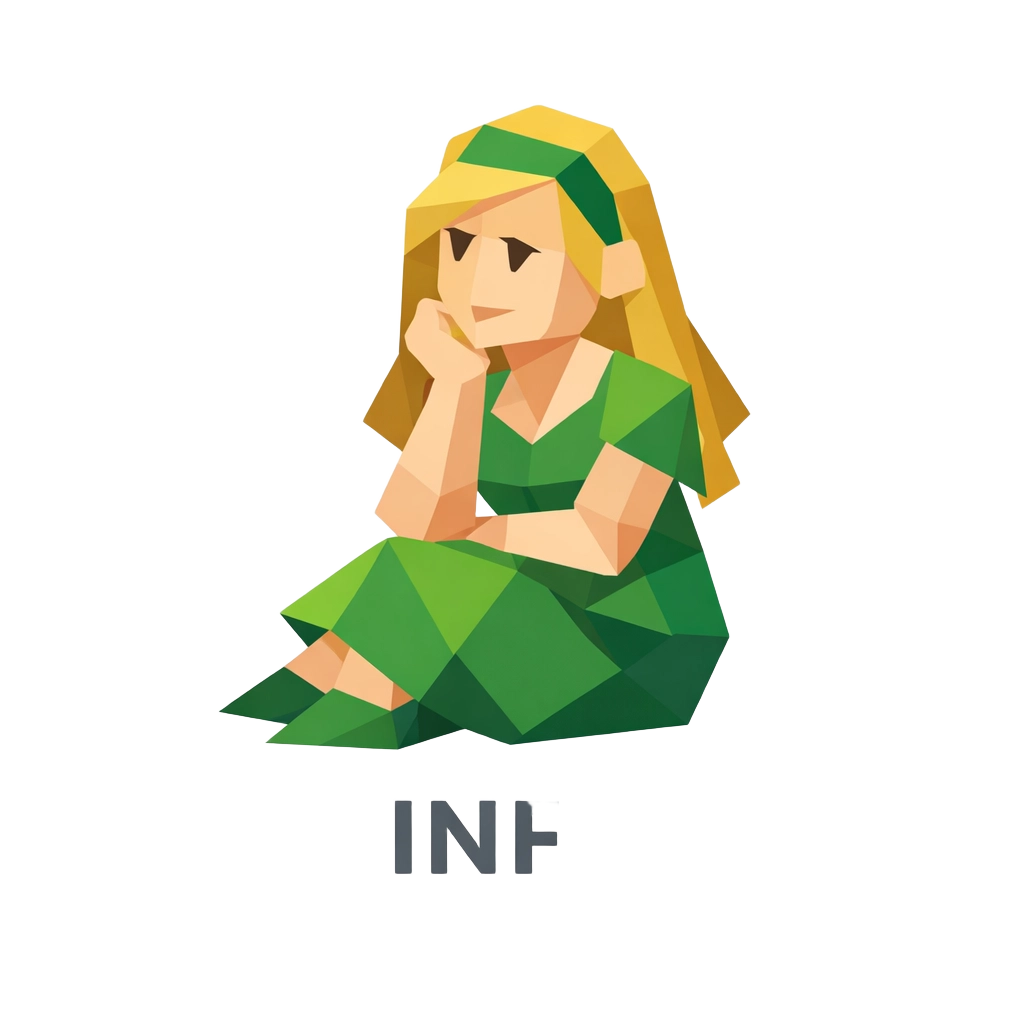
INFPThe Mediator
Idealistic and empathetic, you navigate life guided by a deep inner compass of values and authenticity.
Cognitive Dimensions
About INFP — The Mediator
INFPs are gentle souls with a fierce inner world. Beneath your quiet exterior lies a passionate commitment to your values, a vivid imagination, and a deep well of emotion that colors everything you experience. You are one of the most idealistic types in the personality spectrum, but your idealism is not naive — it is a deliberate choice to believe in the best of what people and the world can be. You hold this vision of a better world close to your heart, and it serves as both your greatest source of inspiration and, at times, your deepest source of pain when reality falls short.
You see potential in everyone and everything. Where others see an ordinary moment, you see poetry. Where others see a difficult person, you see someone who is struggling. This gift of perspective makes you extraordinarily empathetic and creative. You are drawn to artistic expression — writing, music, visual art, or any medium that allows you to externalize the rich emotional landscape of your inner world. Your creativity is not a hobby; it is a fundamental part of how you process your experiences and make sense of life. You have an ability to capture the human condition in your creative work that moves people deeply, because you write, paint, or compose from a place of genuine emotional truth that resonates universally.
Your challenge is balancing your rich inner life with the demands of the external world. You may struggle with practical details or feel overwhelmed by environments that feel inauthentic. But when you find your purpose and your people, you become a quietly powerful force for good. You may never seek the spotlight, but your influence radiates outward through the lives you touch, the art you create, and the values you embody. The people closest to you know that beneath your gentle exterior lives someone with an iron core of conviction — someone who will stand up against injustice, champion the underdog, and never, ever compromise on what they believe is right, no matter the personal cost.
Strengths & Growth Areas
Famous INFPs
Career Paths
Best Compatibility
INFP in Relationships
In romantic relationships, you are a deeply devoted, emotionally rich partner who loves with an intensity that can be breathtaking. You pour your heart into your relationships, creating a space of emotional safety and authentic connection that your partner may have never experienced before. You show love through heartfelt words, creative gestures, deep conversations, and an unwavering commitment to understanding and accepting your partner for who they truly are.
You need a partner who values emotional depth and authenticity. Surface-level relationships feel suffocating to you — you need someone who is willing to be real, to share their fears and dreams, and to engage in the kind of soul-deep conversations that make you feel truly connected. You are drawn to people with passion, conviction, and a willingness to grow. You also need a partner who appreciates your sensitivity rather than dismissing it as weakness.
Your biggest relationship challenge is idealization. You tend to fall in love with the potential you see in a person rather than the person as they are, and when they inevitably fail to live up to your idealized image, you can feel deeply disappointed. You may also struggle with expressing your needs directly, choosing instead to withdraw or suffer in silence rather than risk conflict. Learning to communicate your needs clearly, to accept your partner's imperfections, and to address problems early rather than letting resentment build is essential for relationship health.
INFP at Work
You do your best work in environments that align with your values and allow for creative expression. You need to feel that your work matters — that it contributes to something meaningful beyond a paycheck. Roles in counseling, writing, art, education, and nonprofit work are natural fits because they allow you to use your empathy and creativity in service of something you believe in. A lucrative job that feels meaningless will slowly destroy your spirit.
As a colleague, you are supportive, creative, and bring a unique perspective to team discussions. You are the person who considers the human impact of decisions, who advocates for ethical approaches, and who brings creative solutions that others might not have considered. You work best in small, collaborative teams where you feel safe to share your ideas without judgment.
Your biggest workplace challenges are dealing with criticism, navigating office politics, and managing practical details. You can take feedback personally, even when it is meant constructively, and you may struggle with the competitive, sometimes inauthentic dynamics of corporate environments. Deadlines, budgets, and administrative tasks can feel soul-crushing. Finding a work environment that values what you bring — emotional intelligence, creativity, and authenticity — while providing some structure and support for the practical aspects of work is key to your professional happiness.
INFP Under Stress
Under extreme stress, your inferior Extraverted Thinking (Te) function can erupt in ways that feel foreign and frightening. The usually gentle, accommodating INFP may become harshly critical — of themselves, of others, and of the world. You might lash out with blunt, cutting remarks that are completely unlike your normal communication style. Or you might turn that criticism inward, becoming consumed by feelings of incompetence and worthlessness, convinced that you are failing at everything and that your dreams are foolish.
You may also become obsessively focused on external measures of success — productivity metrics, financial comparisons, or social status — that you normally do not care about. This fixation on Te-style achievements feels wrong because it is your least developed function trying to compensate for a sense of losing control. Alternatively, you might withdraw entirely into your inner world, shutting out everyone and everything while you process an overwhelming tidal wave of emotions. Gentle physical activity, journaling, creative expression, and reaching out to someone who understands you can help you work through the stress and return to your authentic self.
Cognitive Functions
Introverted Feeling is your core — a deeply personal value system that guides every decision. You have an intense awareness of your own emotions and an unwavering sense of what feels authentic and right to you.
Extraverted Intuition opens your mind to endless possibilities and connections. You see the world through a lens of "what could be," constantly imagining alternative realities, creative solutions, and hidden potential in people and situations.
Introverted Sensing develops as you mature, giving you a growing appreciation for personal memories, traditions, and the lessons of past experience. You may become increasingly nostalgic and drawn to preserving meaningful moments.
Extraverted Thinking is your blind spot — organizing the external world, making objective decisions, and dealing with harsh facts can feel overwhelming. Under stress, you may become uncharacteristically blunt, critical, or obsessed with proving yourself through external achievements.
Communication Style
You communicate with warmth, authenticity, and a poetic sensibility that can make even everyday conversations feel meaningful. You are a natural listener who gives people the rare gift of feeling truly understood. Your language tends toward the metaphorical and imaginative, and you often express complex ideas through stories, analogies, and imagery. You may struggle with directness, especially when delivering difficult messages, preferring to soften hard truths or avoid confrontation. Learning to be clear and direct while maintaining your natural warmth will make your communication more effective without sacrificing what makes it special.
Growth Tips
Develop practical life skills — budgeting, time management, organization — as a way of supporting your dreams, not competing with them. Structure gives your creativity a container to thrive in.
Practice expressing your needs and boundaries directly. "I need space right now" or "That comment hurt me" are powerful sentences that prevent the buildup of resentment.
Challenge your inner critic. The voice that tells you your work is not good enough, your dreams are too big, or you are too sensitive is lying. Replace self-criticism with self-compassion.
Take action on your ideas, even imperfectly. An imperfect poem written is worth more than a perfect poem imagined. Progress beats perfection every time.
Diversify your emotional support system. Having multiple trusted people to turn to prevents you from becoming too dependent on a single relationship for emotional fulfillment.