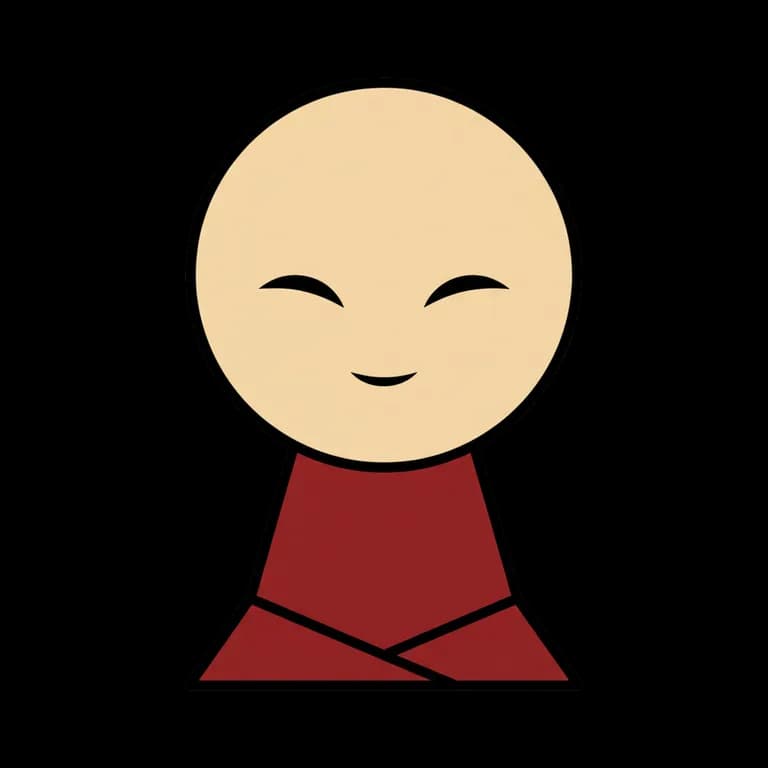
MONK
You unsubscribed from drama. Inner peace is your status symbol.
What it means to be MONK
What people notice first
- +Strong self-discipline and self-knowledge
- +Calm under pressure
- +Excellent boundaries
- +Deep, considered friendships
- +Clarity of values — knows what they want and don't want
- −Detachment as avoidance — sometimes
- −Can feel superior to people still 'in the noise'
- −Hard to be spontaneous or playful
- −Misses out on growth that comes from messy engagement
- −Lonely without realising it
How you love and connect
You bring presence, depth, and uncommon emotional steadiness to relationships. The right partner finds your calm intoxicating. The wrong partner finds it stifling. The MONK risk in love is over-protecting your serenity to the point that the relationship can't breathe. Love requires some chaos. Some big feelings. Some nights where you don't wake up at 5:30. The healthiest MONKs let the right person disrupt them without losing themselves. The peace was practice; love is the test.
Career and collaboration
MONKs do their best work in environments that respect deep focus, low meeting load, and clear priorities: writing, research, design, engineering, certain consulting and therapy work. You're allergic to environments that demand performative urgency. Career risk: choosing 'aligned' over 'ambitious' so consistently that you stop growing. Some growth requires discomfort. Even at the monastery, the monks do hard physical labour. Find your version of hard work and lean in.
How to level up your type
- 1Notice the difference between peace and avoidance. Both can look calm; only one is real.
- 2Take one risk a month that disrupts your routine. Discomfort grows things stillness can't.
- 3Engage with the messy world. Volunteer. Argue with a friend. Stay present in hard conversations.
- 4Let one person know the unfiltered you — not the curated calm version.
- 5Check whether your discipline serves your life or has replaced it.
Fun facts about your type
- ◆MONK energy is overrepresented in long-time meditators, recovered burnouts, recovering addicts, and anyone who quit social media on purpose.
- ◆Research on long-term contemplative practitioners shows real changes in brain regions tied to attention and emotional regulation — the work is real and measurable.
- ◆The MBTI parallel (INTJ) is famously private, principled, and self-disciplined — exactly the cognitive profile that drifts toward chosen solitude.
- ◆MONKs are the most likely SBTI type to have deleted Instagram three years ago and never looked back.
More from the Withdrawal group


Not sure if you're really MONK?
Take the free SBTI test — 30 questions, about 4 minutes.