
ESFJThe Consul
Caring and sociable, you are the glue that holds communities together with warmth and dedication.
Cognitive Dimensions
About ESFJ — The Consul
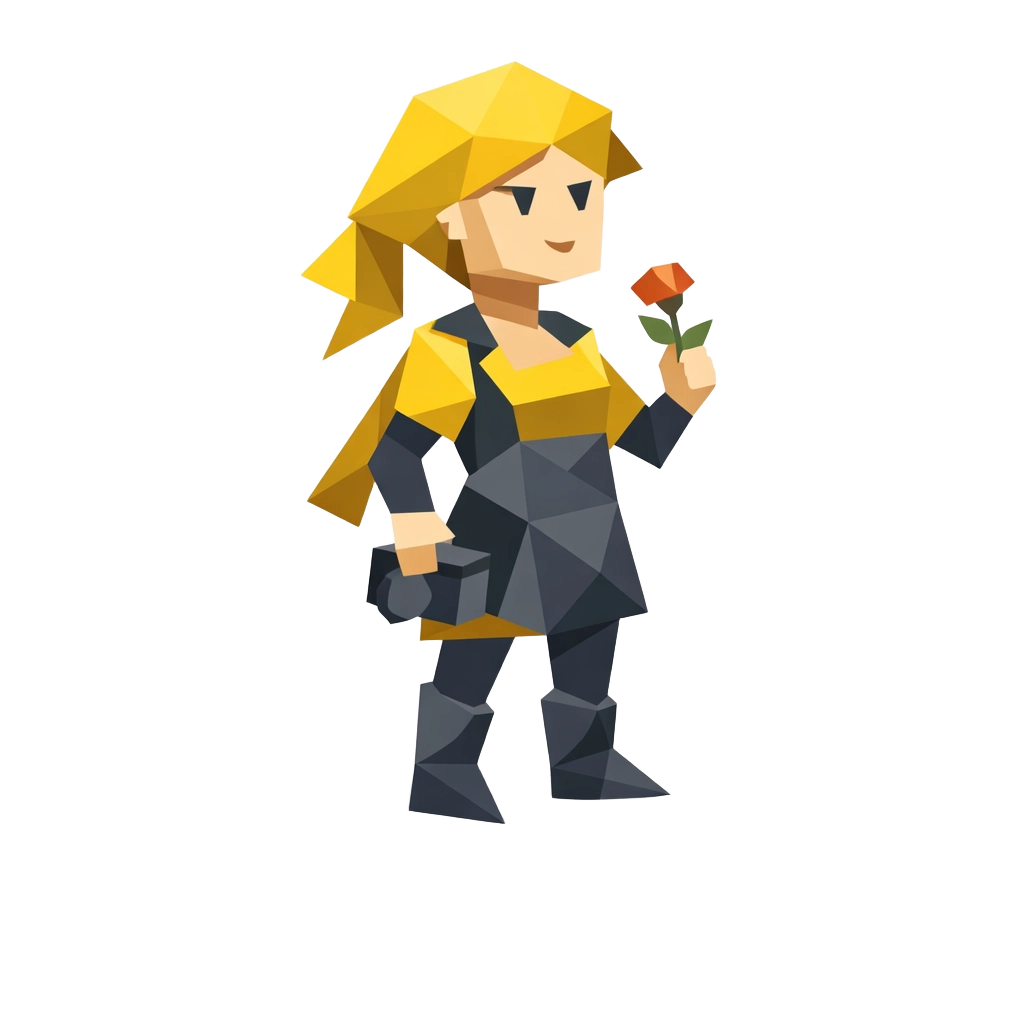
ESFJs are the social glue of their communities. You have a natural gift for making people feel welcome, remembered, and valued. Your combination of genuine warmth and practical helpfulness makes you the person everyone turns to in times of need. You are the friend who organizes the surprise birthday party, the neighbor who brings food when someone is sick, the colleague who remembers everyone's coffee order, and the family member who keeps everyone connected. Your social awareness is not performative — it comes from a genuine, deeply felt care for the people in your life and a desire to create environments where everyone belongs.
You thrive on social harmony and work hard to maintain it. You remember everyone's birthdays, organize gatherings, check in on friends, and notice when someone seems off. This attentiveness is not just politeness — it comes from a deep care for the people in your life. You have an exceptional ability to read social dynamics, sense tension before it becomes conflict, and smooth over disagreements with warmth and diplomacy. You are the emotional caretaker of your social circle, always working behind the scenes to ensure that everyone feels included, appreciated, and supported. This role comes naturally to you, but it also costs you more energy than others realize.
Your challenge is learning that you cannot make everyone happy all the time. But your fundamental orientation toward kindness and community makes the world a warmer, more connected place. You have a strength that is easy to underestimate — the strength of consistent, practical caring, the strength of showing up for people again and again without being asked, and the strength of building and maintaining the social bonds that hold families, teams, and communities together. In a world that often celebrates individualism and self-interest, your commitment to community and connection is quietly revolutionary.
Strengths & Growth Areas
Famous ESFJs
Career Paths
Best Compatibility

ESFJ in Relationships
In romantic relationships, you are a warm, attentive, and deeply committed partner who makes your significant other feel cherished and cared for every day. You remember the little things — their favorite movie, the way they like their coffee, the name of their childhood best friend — and you use this knowledge to create a relationship that feels personal, thoughtful, and safe. You show love through acts of service, quality time, and creating a beautiful, comfortable home life.
You need a partner who values commitment, family, and social connection as much as you do. You are drawn to people who are responsible, kind, and who appreciate the effort you put into maintaining the relationship. You value open communication, shared traditions, and a partner who makes you feel secure and appreciated. Words of affirmation are particularly important to you — you need to hear that your contributions matter.
Your biggest relationship challenge is balancing your need for approval with your own identity. You may bend yourself to fit your partner's expectations, losing touch with your own desires and opinions in the process. You can also become controlling about social situations, household routines, or family traditions, struggling when your partner does not share your enthusiasm for doing things "the right way." Learning to maintain your individuality within the relationship, to accept that your partner may show love differently than you do, and to voice your own needs directly will create healthier, more balanced partnerships.
ESFJ at Work
You excel in work environments that are people-oriented, structured, and collaborative. You are at your best in roles where you can interact with people, organize events and processes, and create a positive team atmosphere. You are the colleague who organizes the office celebrations, who mentors new employees, who remembers everyone's work anniversaries, and who ensures that the team operates smoothly and harmoniously.
As a leader, you are supportive, organized, and attentive to your team's needs. You create clear expectations and consistent routines, and you check in regularly to ensure everyone is doing well — both professionally and personally. Your leadership style builds loyalty because people feel genuinely cared for, not just managed.
Your biggest workplace challenge is handling criticism and conflict. Negative feedback can feel like a personal attack, and workplace conflict can cause you significant stress. You may also struggle with tasks that require cold, impersonal analysis or with environments that are competitive rather than collaborative. Learning to separate professional feedback from personal worth, to engage with conflict constructively rather than avoiding it, and to make tough decisions even when they are unpopular will help you grow as a professional and leader.
ESFJ Under Stress
Under extreme stress, your inferior Introverted Thinking (Ti) function can emerge in disturbing ways. The usually warm, harmony-seeking ESFJ may become harshly analytical and critical — dissecting others' behavior with cold logic, making cutting observations, or becoming obsessed with finding the "logical" explanation for why someone treated you poorly. This analytical mode feels foreign and uncomfortable, and it can damage relationships that you normally nurture with care.
Alternatively, you may become overwhelming in your need for reassurance — seeking constant validation from others, becoming clingy or controlling, or interpreting any sign of distance as rejection. You might also retreat into rigid adherence to routines and traditions, becoming inflexible and upset when things are not done "the right way." Recognizing these patterns and returning to activities that reconnect you with the people and traditions that ground you — cooking for loved ones, organizing a gathering, or simply having an honest conversation with a trusted friend — can help restore your equilibrium.
Cognitive Functions
Extraverted Feeling is your core drive — you are constantly attuned to others' emotions and social dynamics, working to create harmony, connection, and a sense of belonging for everyone around you.
Introverted Sensing provides a detailed memory of past experiences, traditions, and personal details about the people you care about. You use this rich database to maintain consistency and care for others in highly personalized ways.
Extraverted Intuition develops as you mature, opening you to new possibilities and perspectives. You become more flexible, more creative in your problem-solving, and more willing to consider unconventional approaches.
Introverted Thinking is your blind spot — impersonal logical analysis and internal frameworks can feel foreign and uncomfortable. Under stress, you might become uncharacteristically cold and analytical, or feel paralyzed by trying to figure out the logical underpinnings of emotional situations.
Communication Style
You communicate with warmth, enthusiasm, and a personal touch that makes everyone feel included. You are skilled at reading the room and adapting your communication style to different audiences. You tend to use personal stories, specific examples, and emotional language that creates connection and shared understanding. You excel at making people feel comfortable and valued in conversation. Your challenge is being direct about difficult topics — you may over-soften hard messages or avoid them entirely to maintain harmony. Learning to deliver honest feedback with warmth but without diluting its meaning will make you a more complete communicator.
Growth Tips
Develop your own opinions and values independent of what others think. Your tendency to seek consensus is valuable, but you also need a strong internal compass to guide you when popular opinion is wrong.
Practice accepting criticism as information, not as a judgment of your worth. Constructive feedback is a tool for growth, and learning to receive it gracefully will accelerate your personal and professional development.
Set boundaries around your caregiving. You cannot pour from an empty cup, and learning to take care of yourself as devotedly as you take care of others is essential for long-term well-being.
Explore activities and interests that are just for you — not to help others, not to build community, but purely for your own enjoyment and growth. You deserve to have a rich inner life.
Learn to sit with discomfort rather than immediately trying to fix it. Not every conflict needs to be resolved immediately, and not every negative emotion needs to be smoothed away. Sometimes growth comes from the uncomfortable spaces.