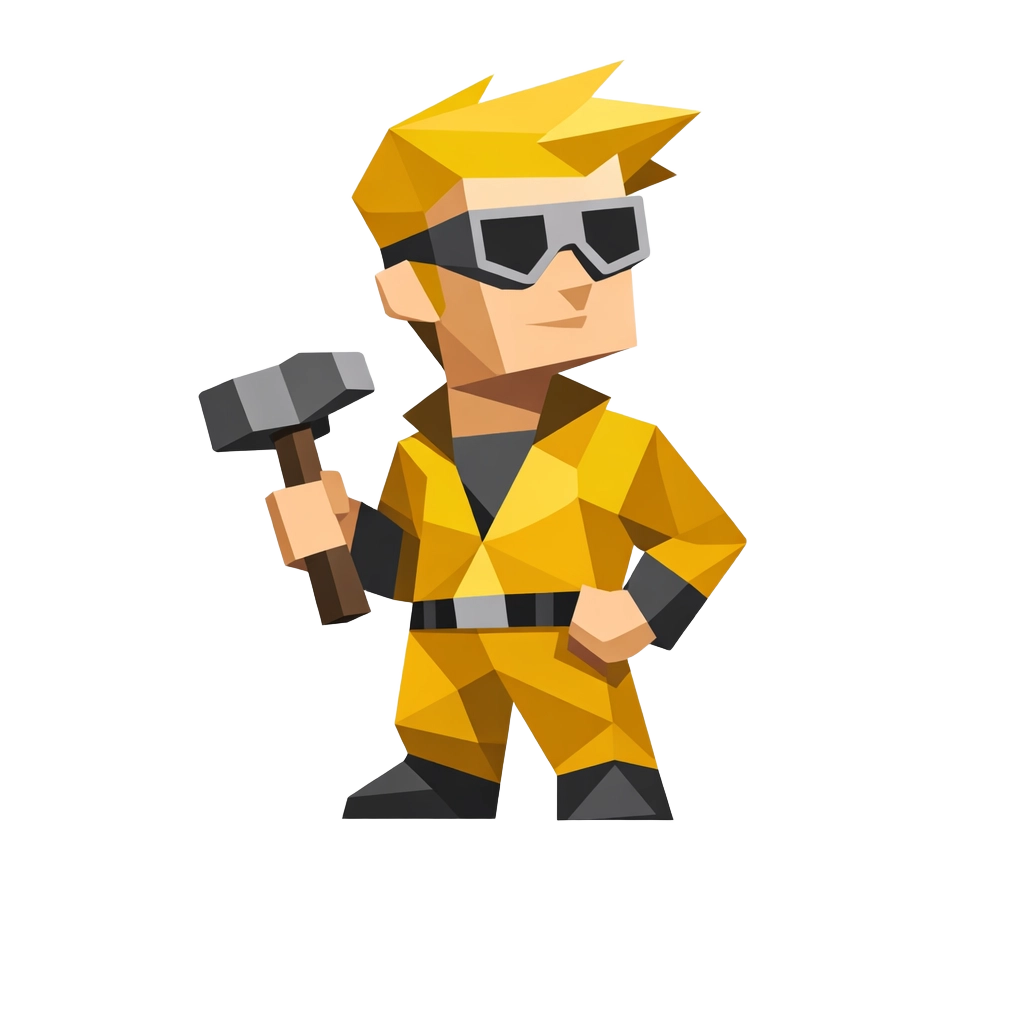
ISTPThe Virtuoso
Cool-headed and hands-on, you understand how things work and can fix almost anything.
Cognitive Dimensions
About ISTP — The Virtuoso
ISTPs are the master craftspeople of the personality world. You have an innate understanding of how things work — from machines and technology to people and systems. Your hands-on, analytical approach to life makes you an exceptional troubleshooter. You are the person who takes things apart to see how they work, who builds things from scratch just to see if you can, and who solves problems by rolling up your sleeves and getting your hands dirty. Theory without application bores you; what excites you is the intersection of understanding and action, where knowledge becomes something you can use to create, fix, or improve something tangible.
You live in the present moment, responding to challenges as they arise with a calm efficiency that others find impressive. While others panic, you are already diagnosing the problem and testing solutions. This cool-under-pressure demeanor makes you invaluable in crises. You do not waste energy on worry or speculation — you assess the situation, identify the most effective response, and execute it with a precision and economy of motion that looks almost effortless. This ability to stay calm when everything is going wrong is not just useful; it is genuinely remarkable, and it earns you the respect of everyone who witnesses it.
You value your independence fiercely and resist being boxed in by rules or expectations. You learn best by doing, and you need the freedom to approach problems in your own way. When given that freedom, your practical intelligence is unmatched. You are not the person who talks about what should be done; you are the person who quietly goes and does it, often producing results that exceed everyone's expectations. Your modesty about your abilities is genuine — you do not see what you do as special, because for you, understanding how things work is as natural as breathing.
Strengths & Growth Areas
Famous ISTPs
Career Paths
Best Compatibility

ISTP in Relationships
In romantic relationships, you are a loyal, low-drama partner who shows love through practical actions and shared experiences. You are not the type to write love letters or make grand romantic declarations — instead, you fix your partner's car, build them something with your hands, or show up calmly and competently when they are in a crisis. Your love is quiet but real, expressed through presence and practical support rather than words.
You need a partner who respects your independence and does not try to change your fundamental nature. You require significant personal space and alone time, and a partner who is clingy, emotionally demanding, or who constantly needs verbal reassurance will quickly exhaust you. You are drawn to people who are self-sufficient, adventurous, and who can appreciate your understated way of showing affection.
Your biggest relationship challenge is emotional communication. You process feelings internally and may struggle to articulate what you are experiencing, leaving your partner feeling shut out or uncertain about where they stand. You may also resist commitment or long-term planning, preferring to live in the moment rather than define the future of the relationship. Learning to check in emotionally with your partner, to share your inner world even when it feels uncomfortable, and to provide the verbal reassurance that most people need will strengthen your relationships significantly.
ISTP at Work
You excel in work environments that are hands-on, practical, and give you the freedom to solve problems your own way. You are at your best when working with tools, technology, or systems that you can understand, manipulate, and improve. You thrive in roles where every day brings new challenges, where you can work independently, and where results matter more than process.
As a colleague, you are the quiet problem-solver everyone relies on when something is broken, stuck, or not working as it should. You do not seek recognition, but your competence speaks for itself. You prefer minimal supervision and maximum autonomy, and you produce your best work when given a clear objective and the freedom to achieve it in your own way.
Your biggest workplace challenge is bureaucracy, meetings, and anything that feels like process for the sake of process. You also struggle with long-term projects that require sustained, predictable effort without the stimulation of new challenges. Office politics and social obligations drain you. Finding roles that value your technical expertise and practical problem-solving while minimizing administrative overhead will set you up for professional satisfaction.
ISTP Under Stress
Under extreme stress, your inferior Extraverted Feeling (Fe) function can surface in uncomfortable ways. The usually stoic, independent ISTP may become uncharacteristically emotional, seeking reassurance from others and feeling hypersensitive to perceived rejection or criticism. You might suddenly feel desperate for social connection and approval — emotions that feel alien and uncomfortable for someone who normally prizes self-sufficiency.
Alternatively, you may withdraw even further into isolation, becoming cold, dismissive, and unwilling to engage with anyone. You might also become reckless, taking physical risks that go beyond your usual calculated risk-taking — driving too fast, pushing physical limits, or making impulsive decisions without your normal cool-headed assessment. Recognizing these patterns and returning to hands-on activities — fixing something, building something, working out, or engaging in a physical skill — can help ground you and restore your natural equilibrium.
Cognitive Functions
Introverted Thinking drives you to understand how things work at a fundamental level. You build internal models of systems and mechanisms, constantly refining your understanding through hands-on experimentation and logical analysis.
Extraverted Sensing keeps you grounded in the present moment and highly attuned to your physical environment. You notice details others miss and respond to real-time information with remarkable speed and accuracy.
Introverted Intuition develops as you mature, giving you growing ability to anticipate outcomes and see patterns beyond the immediate present. You develop increasingly sophisticated strategic thinking over time.
Extraverted Feeling is your blind spot — navigating social expectations and expressing emotions in conventional ways can feel forced and uncomfortable. Under stress, you may become uncharacteristically emotional or seek validation from others in ways that feel foreign to you.
Communication Style
You communicate with precision and economy, saying exactly what needs to be said and no more. You are direct, factual, and practical in your language, avoiding emotional embellishment and unnecessary preamble. You prefer to communicate through demonstration rather than explanation — you would rather show someone how something works than describe it in words. Your communication can feel terse or disengaged to those who expect more verbal warmth, but those who know you appreciate the reliability and honesty of your straightforward style.
Growth Tips
Practice expressing your emotions verbally, even in simple ways. "I'm frustrated" or "That meant a lot to me" might feel awkward, but these statements build bridges that actions alone cannot.
Develop the habit of thinking about long-term consequences before acting. Your present-moment orientation is a strength, but adding a layer of future-thinking will prevent regrettable impulsive decisions.
Invest in a few close relationships and nurture them actively. Independence is valuable, but human connection enriches your life in ways that solitary pursuits cannot replicate.
Challenge yourself to engage with emotional and social situations rather than avoiding them. Growth happens outside your comfort zone, and developing emotional fluency will make you more effective in all areas of life.
Try explaining your thought process to others more often. People cannot appreciate your intelligence if you never share how you arrived at your conclusions.